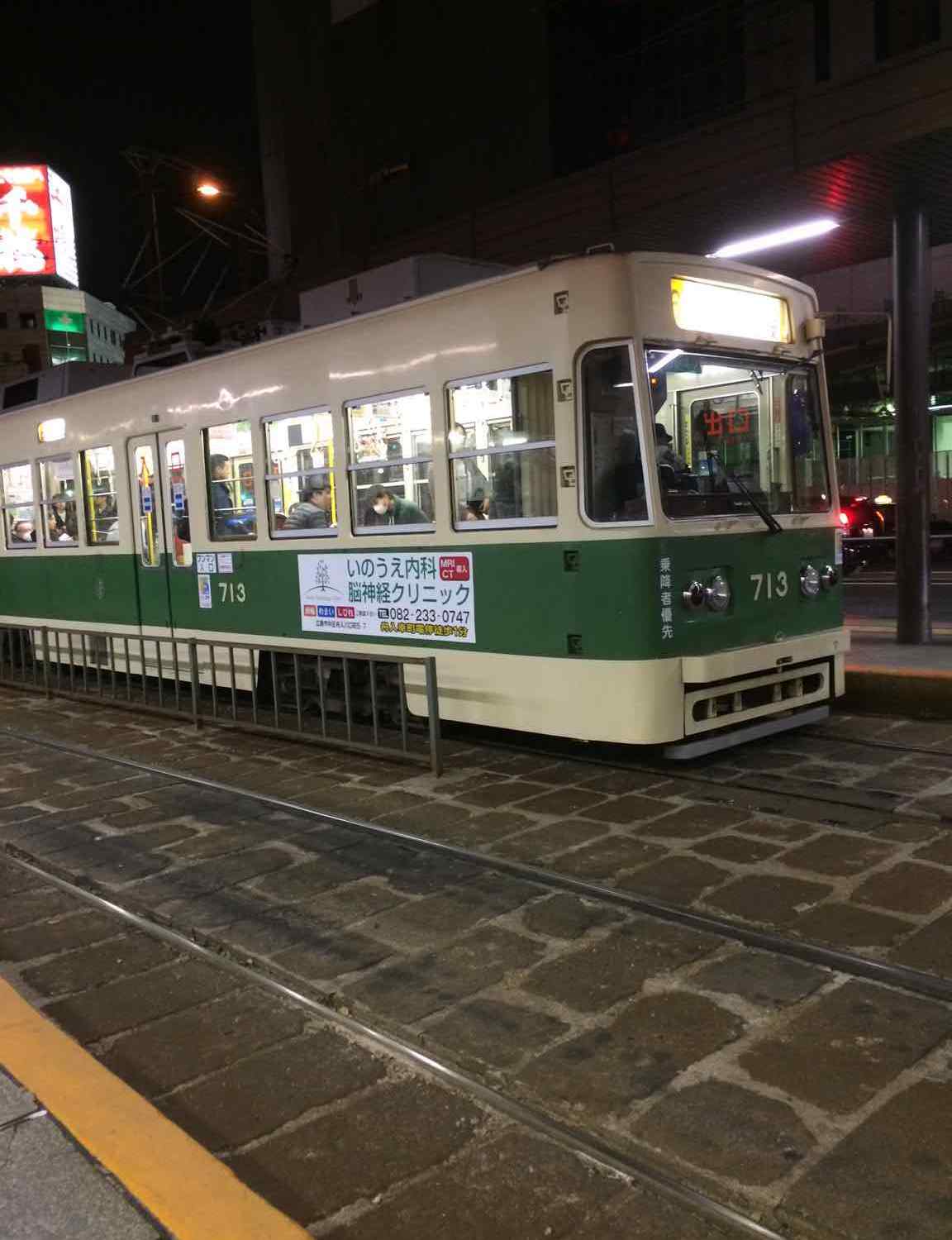
From Kyoto, I traveled to Hiroshima. Though the city’s history dates back to the 16th century, today it is most famous as the target site for the first atomic bomb used in warfare, which was dropped on August 6, 1945. The bomb created unimaginable destruction, so the city you see today has been rebuilt since World War II. During the reconstruction, the Japanese Parliament declared Hiroshima the “City of Peace.”
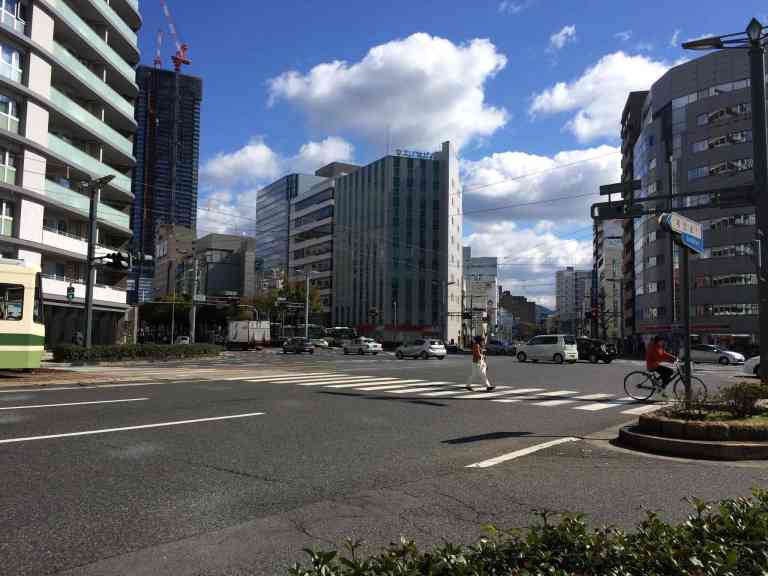


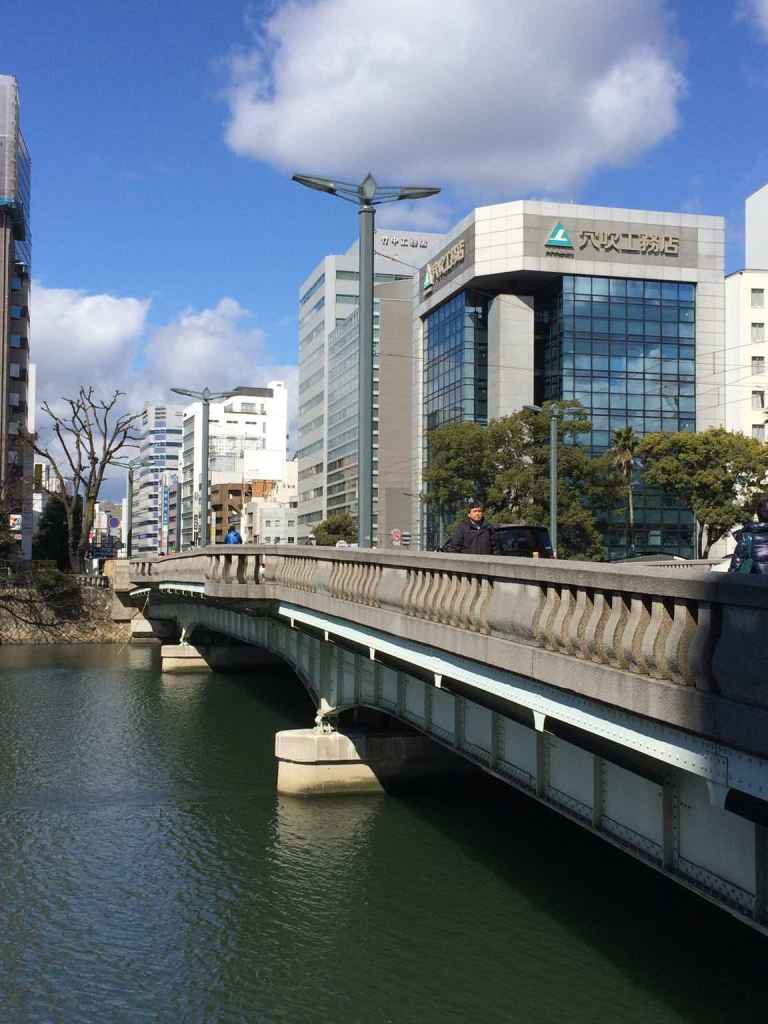
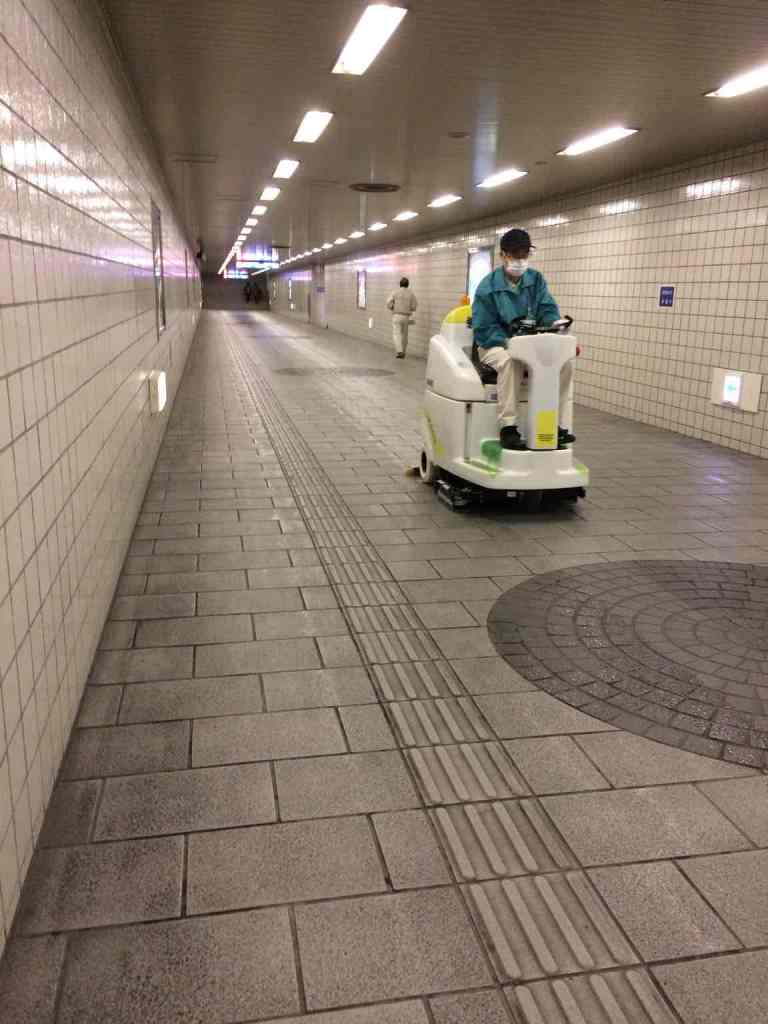
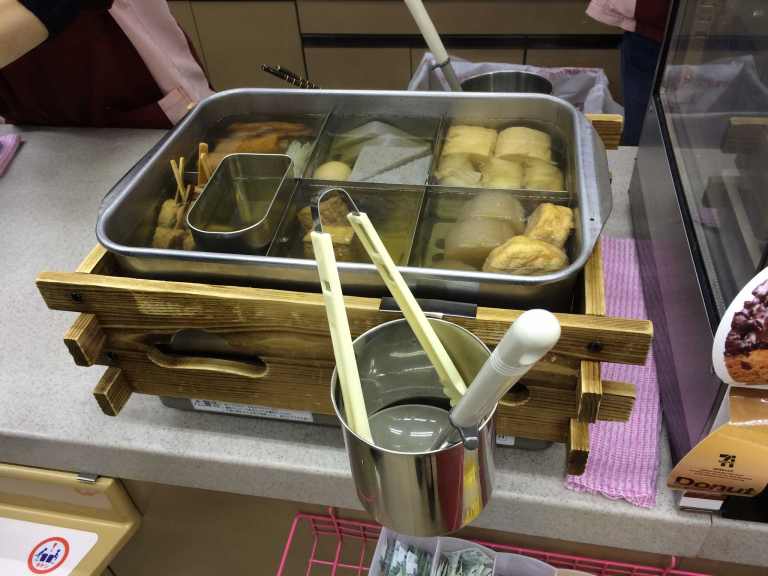
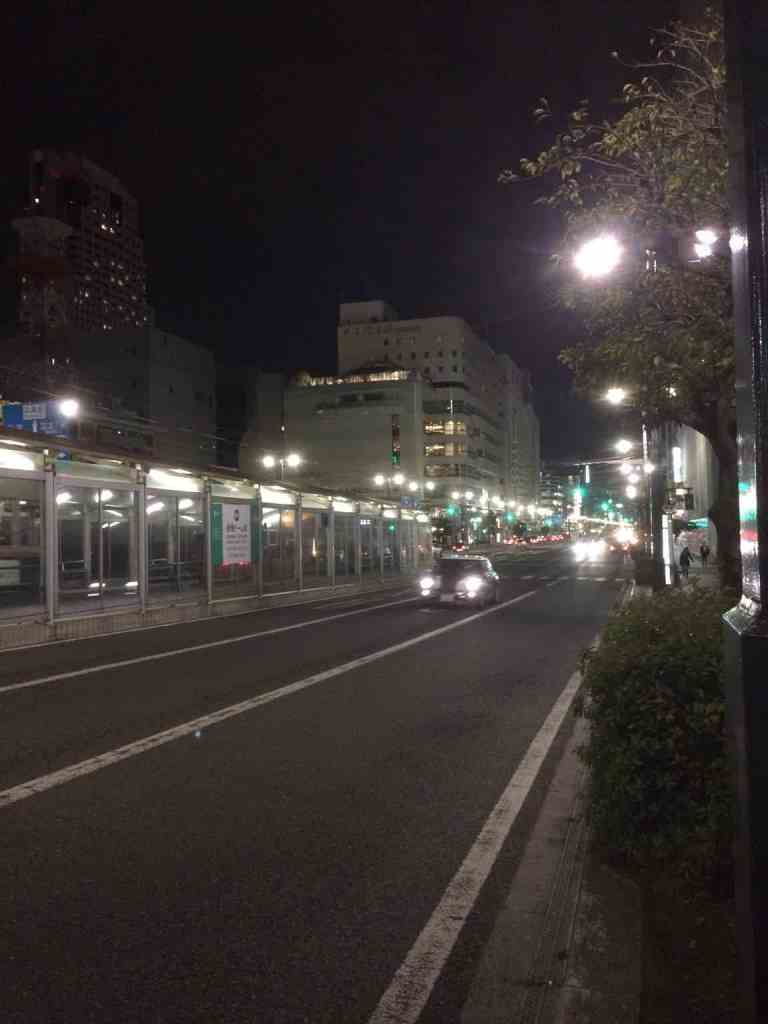
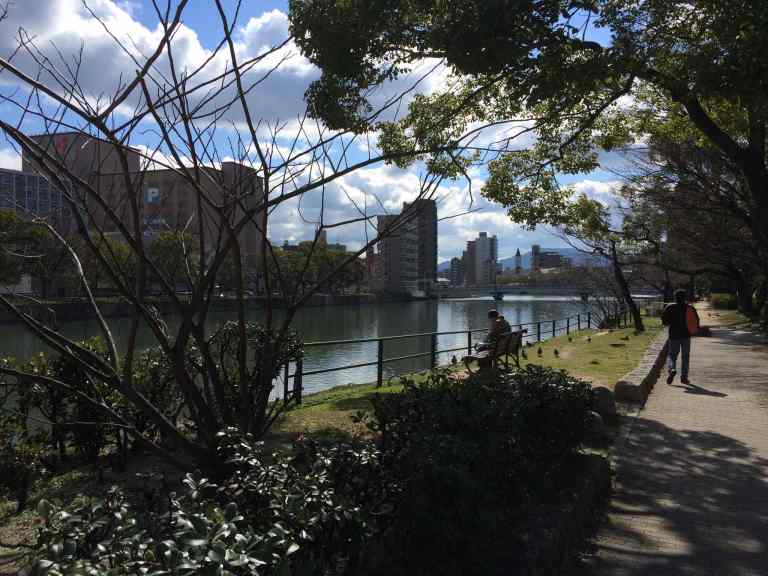
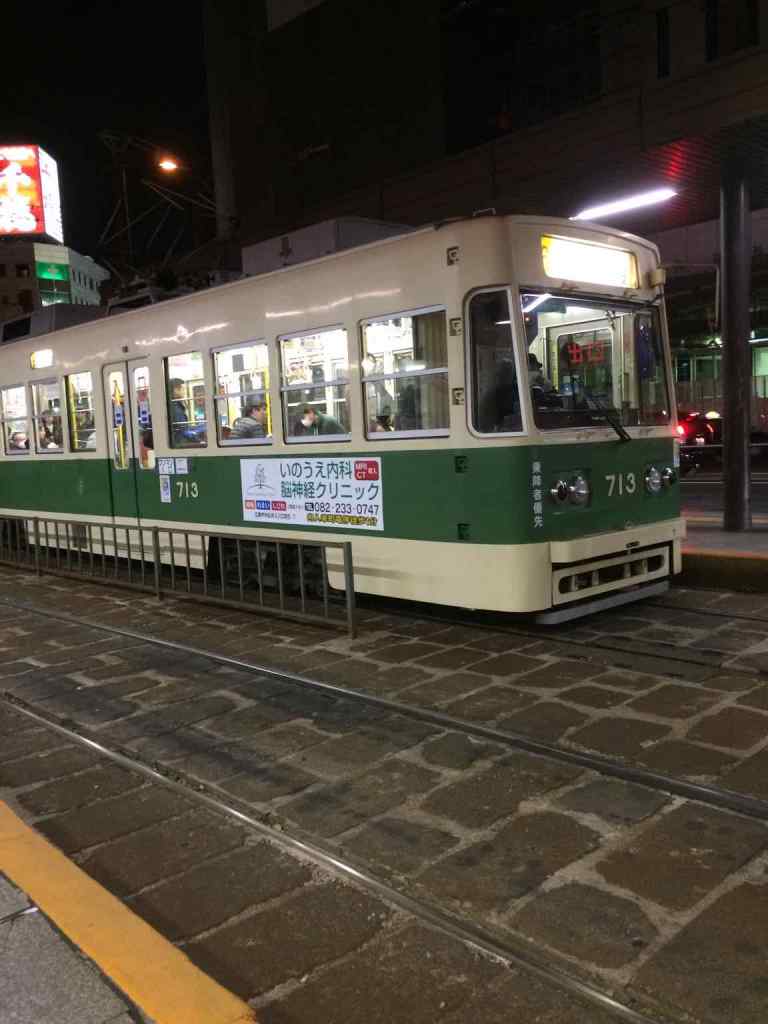
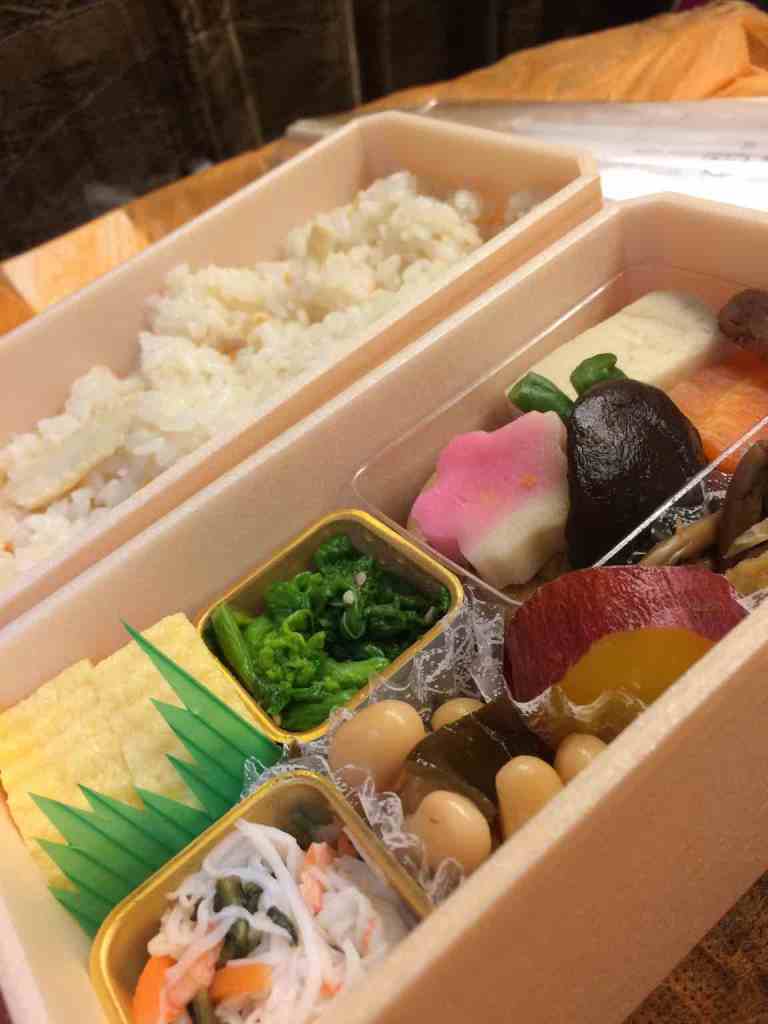
During my admittedly brief time in Hiroshima, I visited both the Atomic Bomb Museum and the Peace Park at the blast’s ground zero. Both are moving and worth the visit, and posts describing my time there will be forthcoming. However, I also spent some time walking through the city, trying to see the aspects of the city that are current and unrelated to the bomb’s destruction or the aftermath. The pictures in this post are from that walk. I don’t like the idea of thinking of Hiroshima as only represented by this ultimate act of war. In the 71 years since the US dropped the atomic bomb on Hiroshima, the threat of nuclear war has hovered over the world. The people of Hiroshima are advocating to end this scourge, and that seems a stronger testament to this city than its status as a target.

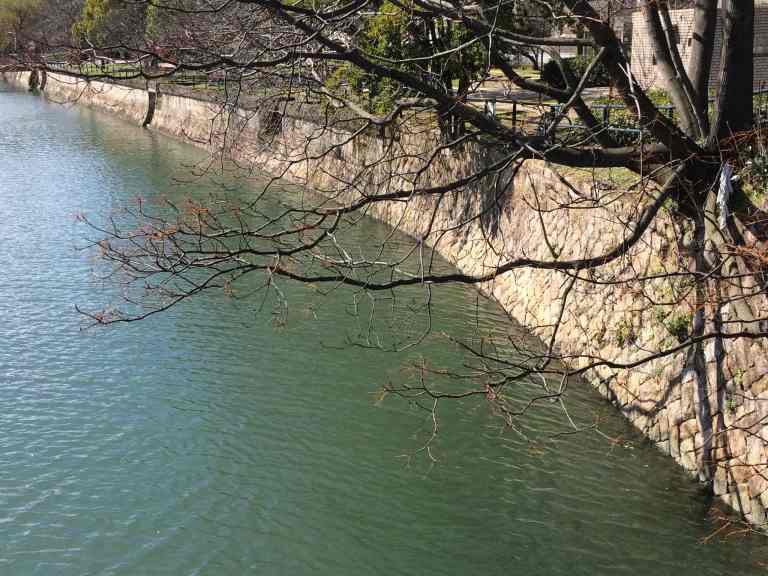
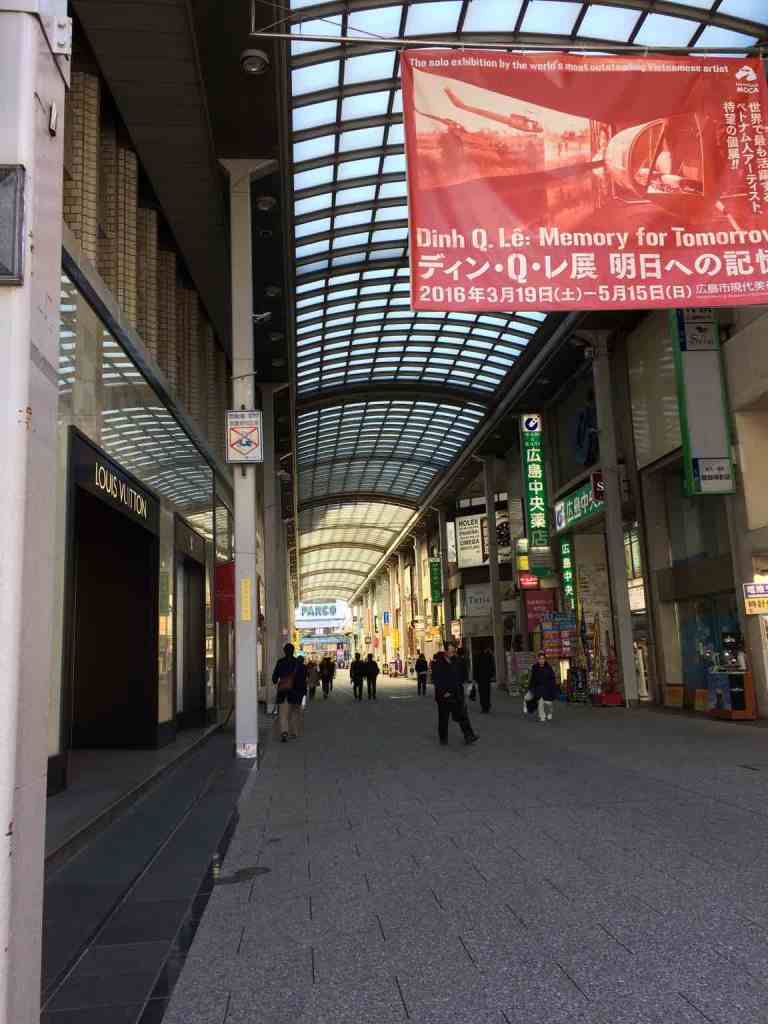

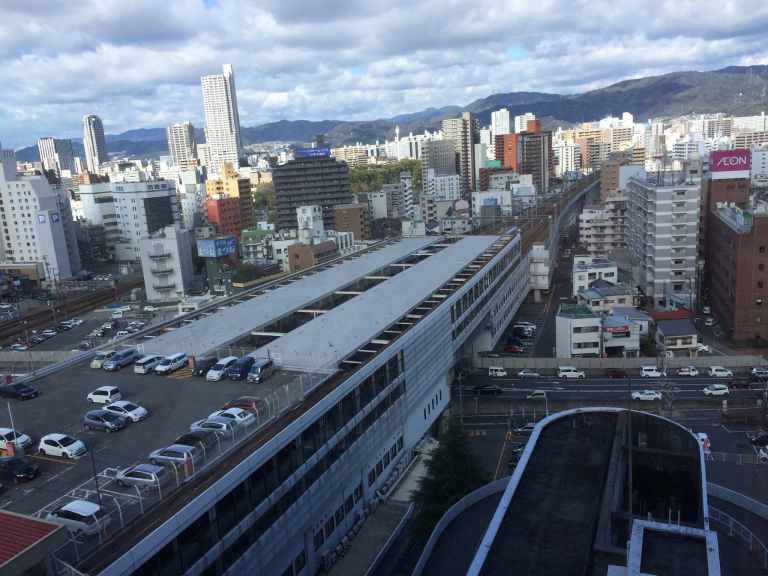
As you can see from the pictures, I had some of the best weather of my whole time in Japan while I was in Hiroshima. Visiting a couple of the many parks in the city on such a bluebird day made it difficult to imagine what it was like here during the war. In some ways, Hiroshima seems like many other Japanese cities and with its wide boulevards, it even seems like some US cities. If you didn’t know its history, you might not know what happened here just by walking around town.


Wherever you go in Hiroshima, you are likely to see the image of a paper crane – it has become a symbol of the city. Check back tomorrow for the story behind the cranes in Hiroshima.
Title quote: Haruki Murakami, Norwegian Wood



 Midwest Magellan